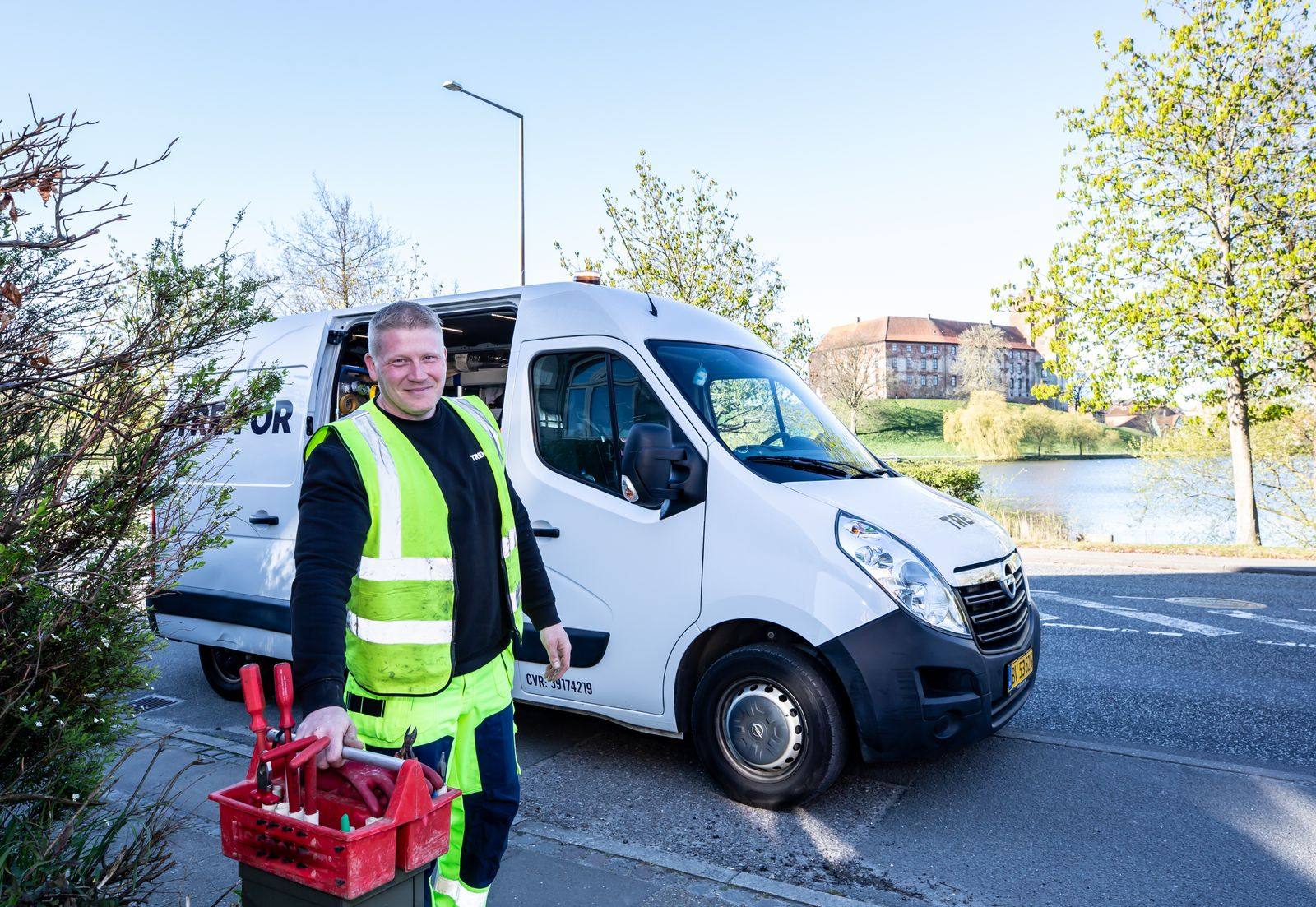
A tankless water heater does not store hot water at all. It waits for a faucet to open, senses the flow, fires a burner or energizes its elements, and heats water as it races through a compact heat exchanger. That on-demand design is a big part of its appeal, but it packs a lot of sensors and controls into one small cabinet, and every one of them has to agree before you get hot water. When one of them objects, the unit shuts down and posts an error code. In Hickory, NC, the usual culprits are mineral scale coating the heat exchanger, a flow sensor that no longer registers demand, an igniter or flame rod that cannot prove the flame, and venting or gas supply problems that trip the unit's safety limits.
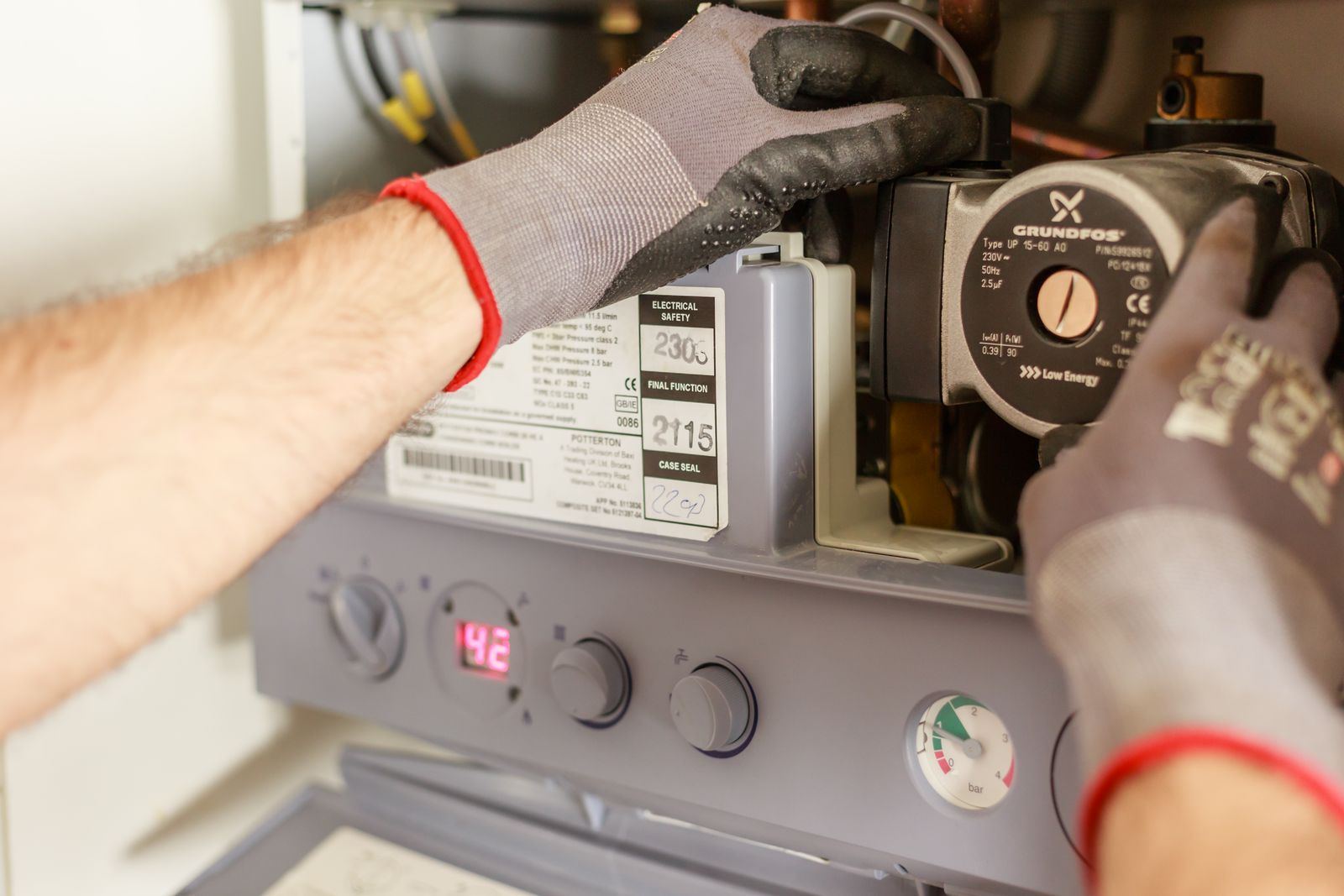
Hickory Water Heater starts every tankless repair by reading the unit, not guessing at it. On every service call in Hickory, we pull the active error code and the stored fault history, then test the components that code points to: flow sensor output while a faucet runs, flame rod signal in microamps, igniter resistance, inlet gas pressure both static and at full fire, and vent condition from the unit to the termination. Scale gets checked by comparing inlet and outlet temperatures against flow rate, since a heat exchanger that cannot transfer heat shows up clearly in those numbers. Error codes narrow the search, but they rarely name the broken part outright. An ignition code, for example, can come from a worn igniter, a dirty flame rod, low gas pressure, or a blocked intake, and each one calls for a different fix.
We work on tankless heaters from Rinnai, Navien, Noritz, Rheem, Takagi, and the other major brands, gas-fired and electric alike. The fix depends on the diagnosis: a full descaling flush through the isolation valves when scale is choking the heat exchanger, a new flow sensor when the unit no longer notices a faucet opening, a fresh igniter or cleaned flame rod when ignition keeps failing, or a vent correction when the unit trips on combustion air. Sometimes the answer is bigger. A gas line undersized for the unit's full firing rate has to be upsized, and a heat exchanger cracked by years of scale may make replacement the smarter call on an older unit. We lay out every option honestly before any money is spent. Call (828) 344-7100 and a technician will be on the way.
Our most requested service is Water Heater Repair in Hickory. That's the place to start for most homes.
Warning Signs to Watch For
Catching a symptom early is often the difference between a quick part swap and a tank that gives out on the garage floor. Keep an eye out for the following:
- A clicking igniter with no flame, or a flame that lights and quickly drops out
- Outlet temperature that surges and sags while water is running
- A cold-water sandwich that has gotten noticeably worse
- Temperature dropping sharply when a second shower or the dishwasher starts
- A heater that only fires when water runs at full blast
- The display showing an error code instead of a temperature
- Unusual noises from the cabinet, like a whine, a roar, or a rattle
- Moisture, rust, or drips appearing below the heater
A Slow Leak Never Stays Slow
A worn-out anode rod, a sediment-choked tank, or a weak thermocouple rarely fixes itself, and the repair usually costs more the longer it waits. Call Hickory Water Heater at (828) 344-7100 at the first sign of trouble.
Get Tankless Water Heater Repair Handled Today
We'll diagnose the problem and give you a straight answer on the fix.
Tap to Call (828) 344-7100Your Tankless Water Heater Repair Questions Answered
Why Hire a Professional for Tankless Water Heater Repair?
Start with what is at stake. A gas-fired tankless heater can burn nearly 200,000 BTU per hour at full fire, and its vent is the only thing carrying carbon monoxide out of the house; a joint that pulls loose or an intake that gets blocked changes that in a hurry. Electric tankless models are serious electrical loads, frequently more than 100 amps spread over several 240-volt circuits. Then there is the diagnostic puzzle. Error codes point to a system, not a part, so a flow sensor fault, a scaled heat exchanger, and a bad thermistor can look nearly identical on the display, and guessing gets expensive.
Calling a pro often costs less than trial and error. Our technicians do not guess at error codes. They test flow sensors with water moving, measure flame rod signal, confirm igniter resistance, read inlet gas pressure at full fire, and check the vent from end to end. When scale is the problem, we flush it out properly and rinse the system before the unit goes back in service. And because some tankless problems, like an undersized gas line or a cracked heat exchanger, are not solved by parts at all, we tell you so directly, before you commit to anything.
From Your Call to Hot Water
Our workflow is simple and thorough, so nothing gets missed between the fuel supply and the relief line. Here's exactly how a typical visit unfolds:
Diagnose the Error Code
Codes get us started; measurements finish the job. Flow sensor output, flame signal, igniter resistance, inlet gas pressure, and vent condition all get checked before any part is replaced.
Honest Answers & Upfront Price
We explain the fault in plain language and put a firm quote in front of you first. When a repair no longer makes sense on an aging unit, you hear that from us directly.
Targeted Repair
Most tankless repairs are finished in one trip: a descaling flush, a new flow sensor, igniter, or flame rod, a cleaned inlet screen, or a corrected vent connection.
Tested Under Load
We run hot water at several flow rates, confirm the unit fires cleanly and holds its setpoint, and check gas pressure at full fire before we leave.
Not Sure What You Need?
Tell us the age, fuel type, and symptoms, and we'll help you sort out the next step.
Tap to Call (828) 344-7100Simple Ways to Extend Your Water Heater's Life
A few simple habits, like an annual flush and a quick look at the relief valve, can add years to a tank. Put these technician-approved steps to work at home:
- Get the supply line checked before adding gas appliances, which can starve a tankless unit
- If scale comes back quickly, add a softener or a scale-prevention cartridge on the cold inlet
- Rinse the small filter screen on the cold inlet every few months
- Leave the power on in cold weather, since freeze protection only runs when the unit has electricity
- Make sure nothing blocks the exhaust vent or the air intake outside
- Do not keep resetting a recurring code; note it and have it checked
- Have the unit descaled at least once a year, or more often if your water is hard
Doing It Yourself vs. Hiring a Technician
The line between a safe DIY check and a risky repair is usually the moment you need to open a gas fitting, a vent connection, or an electrical cover. Here's how the two approaches stack up:
| Factor | Doing It Yourself | Hiring a Pro |
|---|---|---|
| Diagnosis | Swap parts until the code clears | Code confirmed by component testing |
| Scale Removal | No pump or isolation valves | Proper solution, pump, and flush time |
| Gas & Venting | Gas pressure and vent joints unchecked | Manometer test at full fire, vent inspected |
| Board & Wiring | Live wiring inside the cabinet | Power verified off, board handled correctly |
| Parts | Generic parts that may not fit the model | Correct part for the exact model |
| Outcome | Temporary fix at best | Root cause fixed and verified |
Book a Visit Today
Cold showers and damp floors don't get better on their own. Hickory Water Heater can have a technician headed your way soon.
Get Help: (828) 344-7100Tankless Water Heater Repair Across the Hickory Area
Our service area reaches well past the city limits. Choose your community for local details.